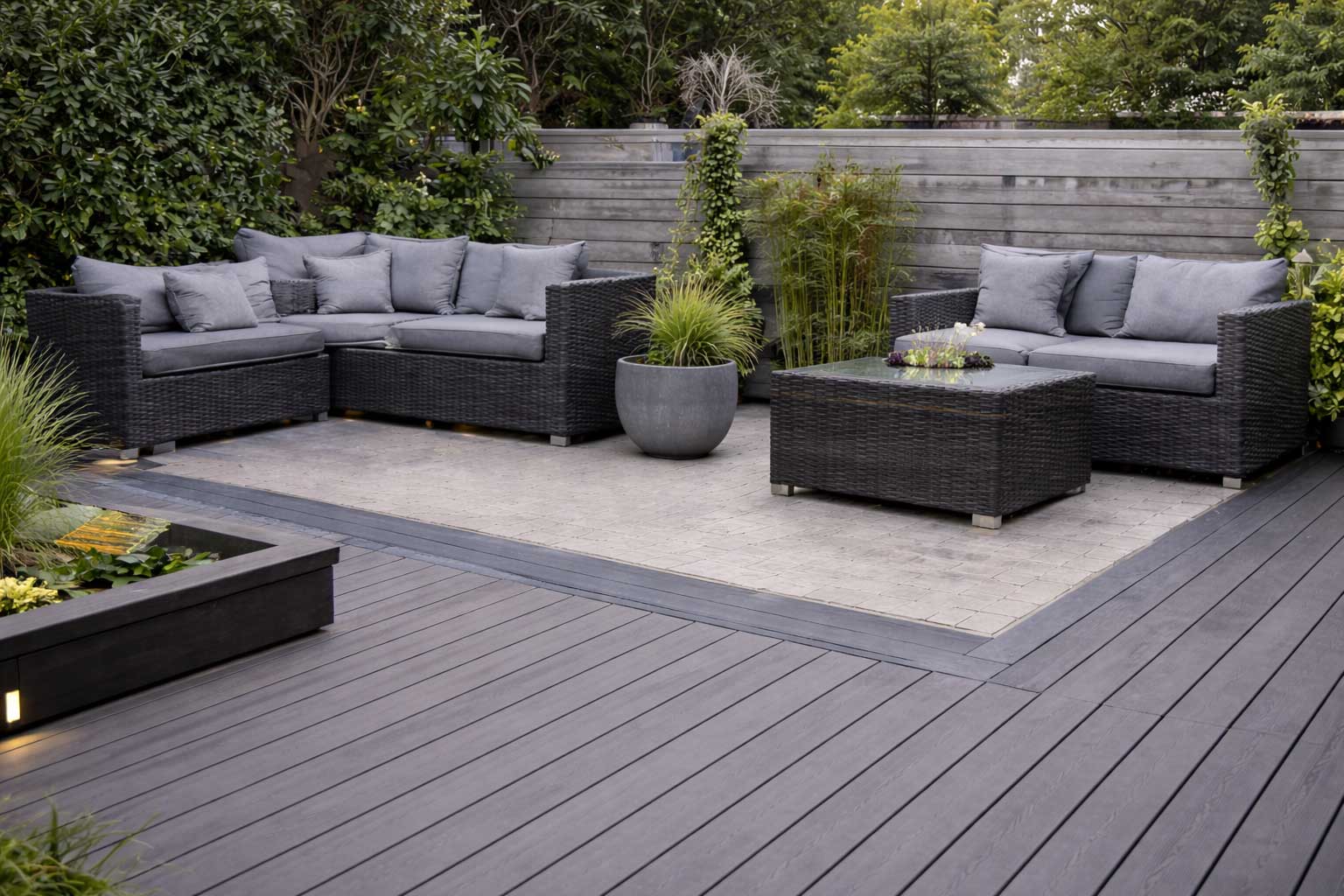
Composite vs Timber Decking: Pros, Cons and Costs
In short: composite decking costs more to install but needs almost no upkeep and typically lasts 25–30 years. Timber decking is cheaper upfront but needs annual staining or oiling and usually needs replacing after 10–15 years. Which is right for you comes down to how much time and money you want to spend over the decking’s lifetime, not just on day one.
If you’ve already decided decking is the right choice for your garden, the next decision is which material to build it from. Here’s how composite and timber actually compare, so you can choose with your eyes open rather than by guesswork.
Composite vs Timber Decking at a Glance
| Composite Decking | Timber Decking | |
|---|---|---|
| Upfront cost | Higher | Lower |
| Typical lifespan | 25–30 years | 10–15 years |
| Annual maintenance | Occasional wash-down | Staining or oiling, usually yearly |
| Long-term cost | Lower once maintenance is factored in | Higher once maintenance and replacement are factored in |
| Appearance | Consistent, engineered finish; wide colour range | Natural wood grain; changes colour as it weathers unless treated |
| Splinters/warping | Very unlikely | Can occur over time, especially in wet weather |
Cost: Upfront vs Long-Term
Timber decking is almost always the cheaper option to install, which is why it’s still a popular choice for smaller budgets or first gardens. But that lower price tag doesn’t include the ongoing cost of keeping it looking good — staining, oiling and occasional board replacement all add up over a decade.
Composite decking costs more at installation, largely because the material itself is more expensive than timber. Over its lifespan, though, there’s very little to spend beyond an occasional clean, and it doesn’t need replacing anywhere near as often. For anyone planning to stay in their home long-term, composite often works out cheaper overall — it’s the upfront number that puts people off.
Maintenance
Timber decking maintenance
- Staining or oiling, typically once a year, to protect against rot and UV fading
- Regular sweeping and occasional pressure-washing to prevent algae build-up
- Checking for loose boards, protruding nails/screws and early signs of rot each spring
- Sanding down rough or splintering boards as needed
Composite decking maintenance
- An occasional wash-down with warm water and mild soap
- No staining, oiling or sealing required
- No sanding — the surface doesn’t splinter or warp
Lifespan and Durability
Well-maintained timber decking generally lasts 10–15 years before boards need significant repair or full replacement, though this varies with the timber species used and how exposed the deck is to the weather. Composite decking is engineered to resist rot, insects and moisture damage, and typically comes with manufacturer warranties reflecting a 25–30 year lifespan.
Appearance and Style Options
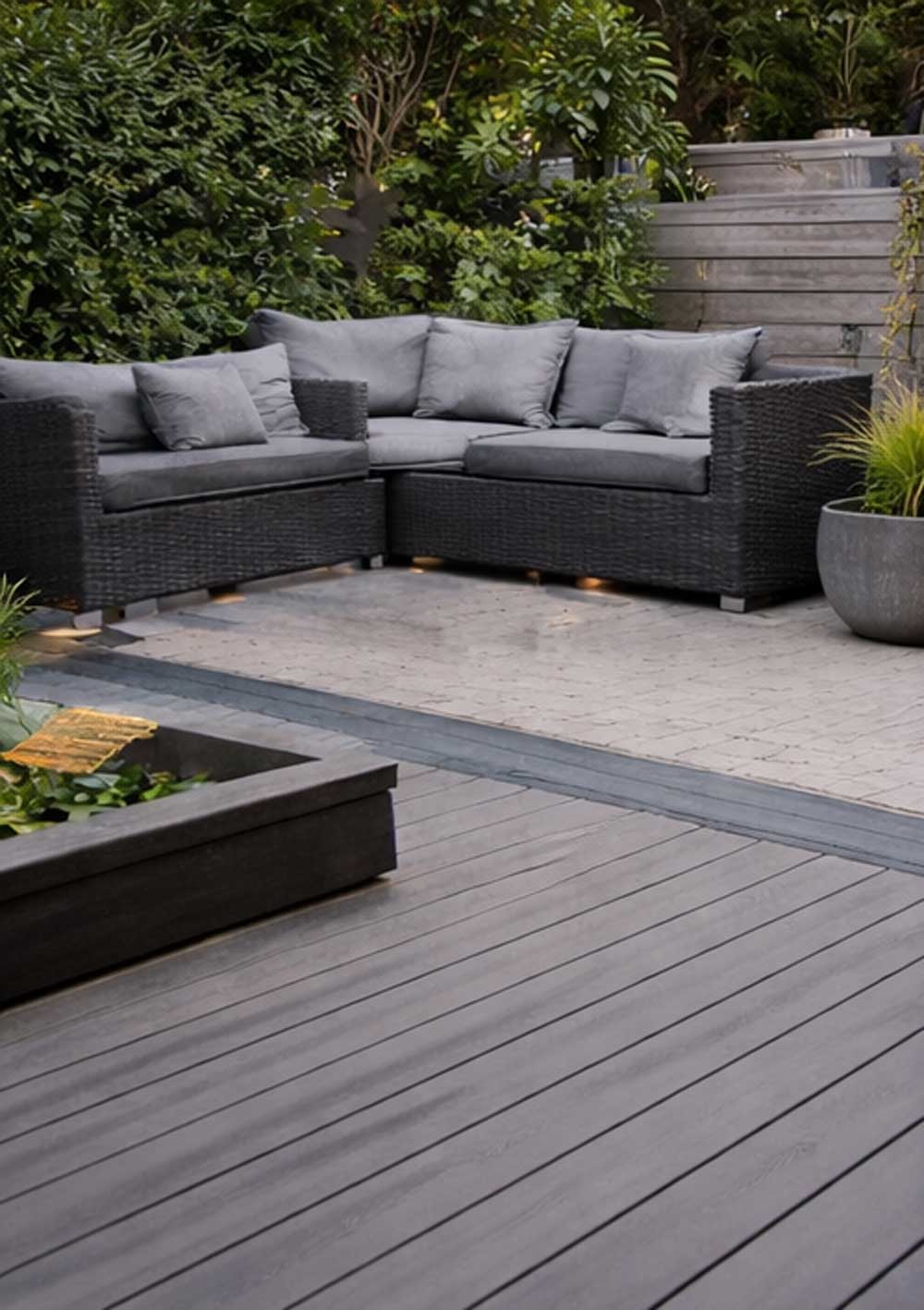
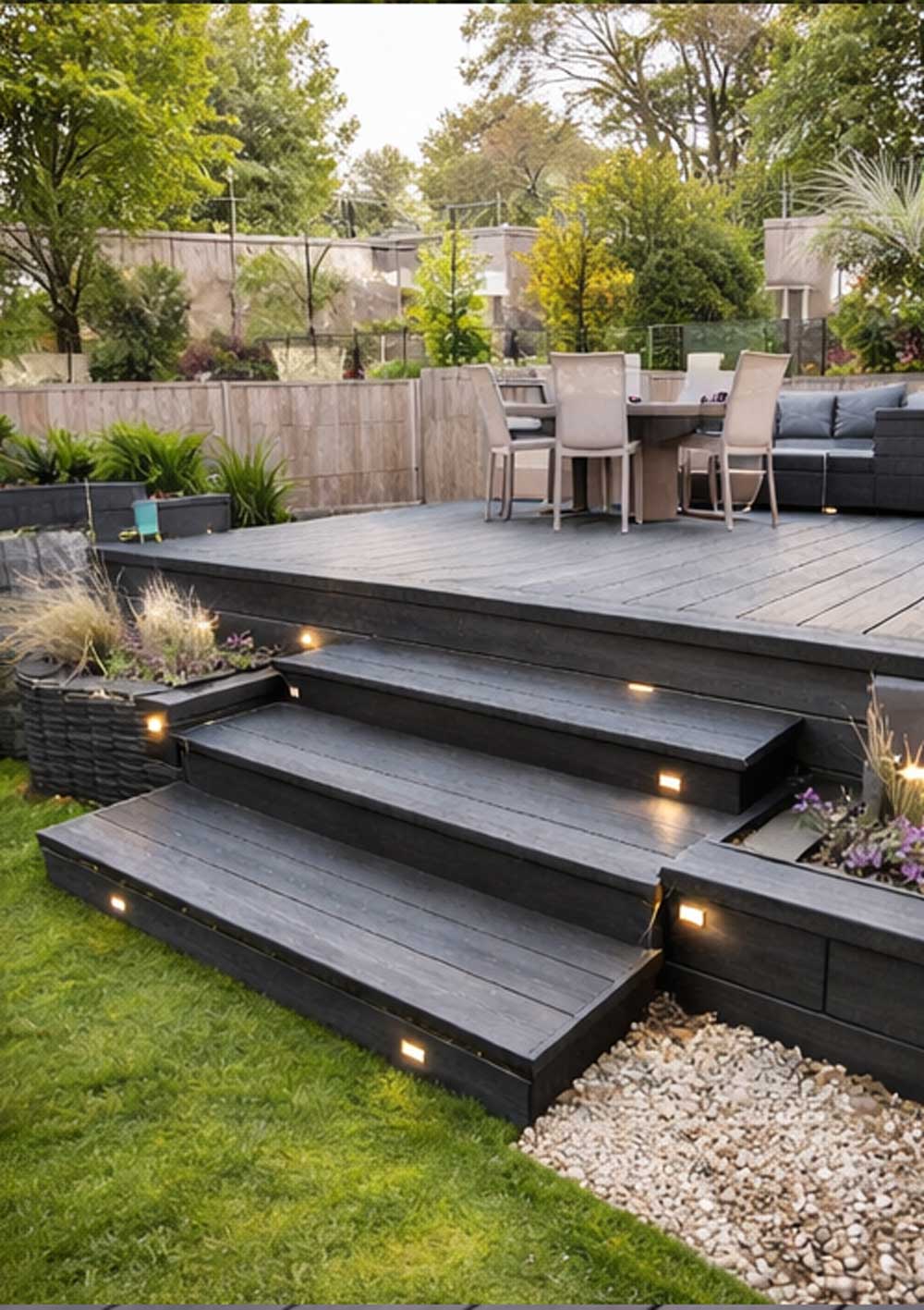
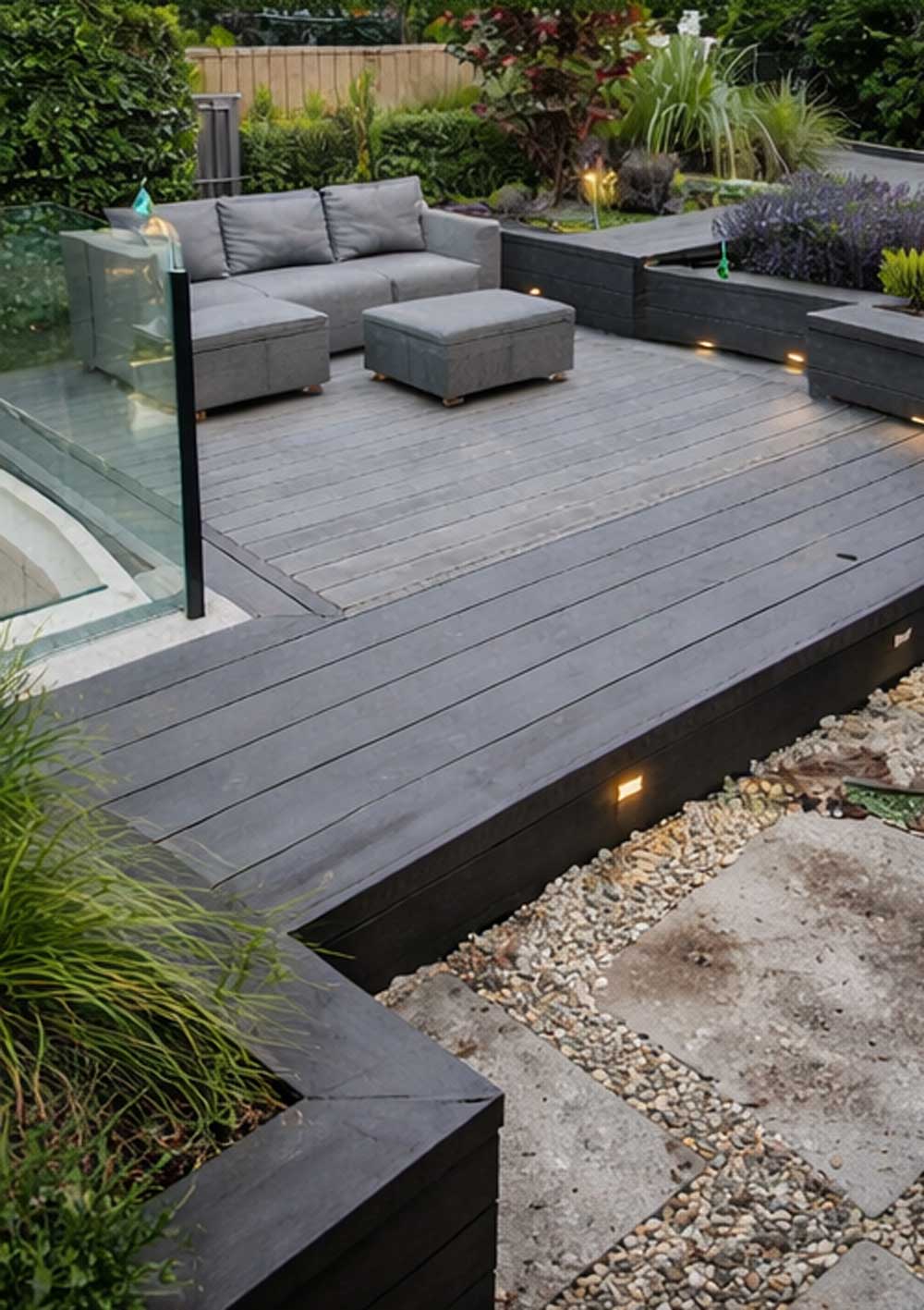
Timber has a natural warmth that many people prefer, especially in cottage-style or traditional gardens — though its colour will grey over time unless it’s regularly treated. Composite decking is manufactured to a consistent finish and comes in a wide range of colours and board profiles, including options designed to mimic natural wood grain, so it suits both contemporary and more traditional garden designs.
Which Should You Choose?
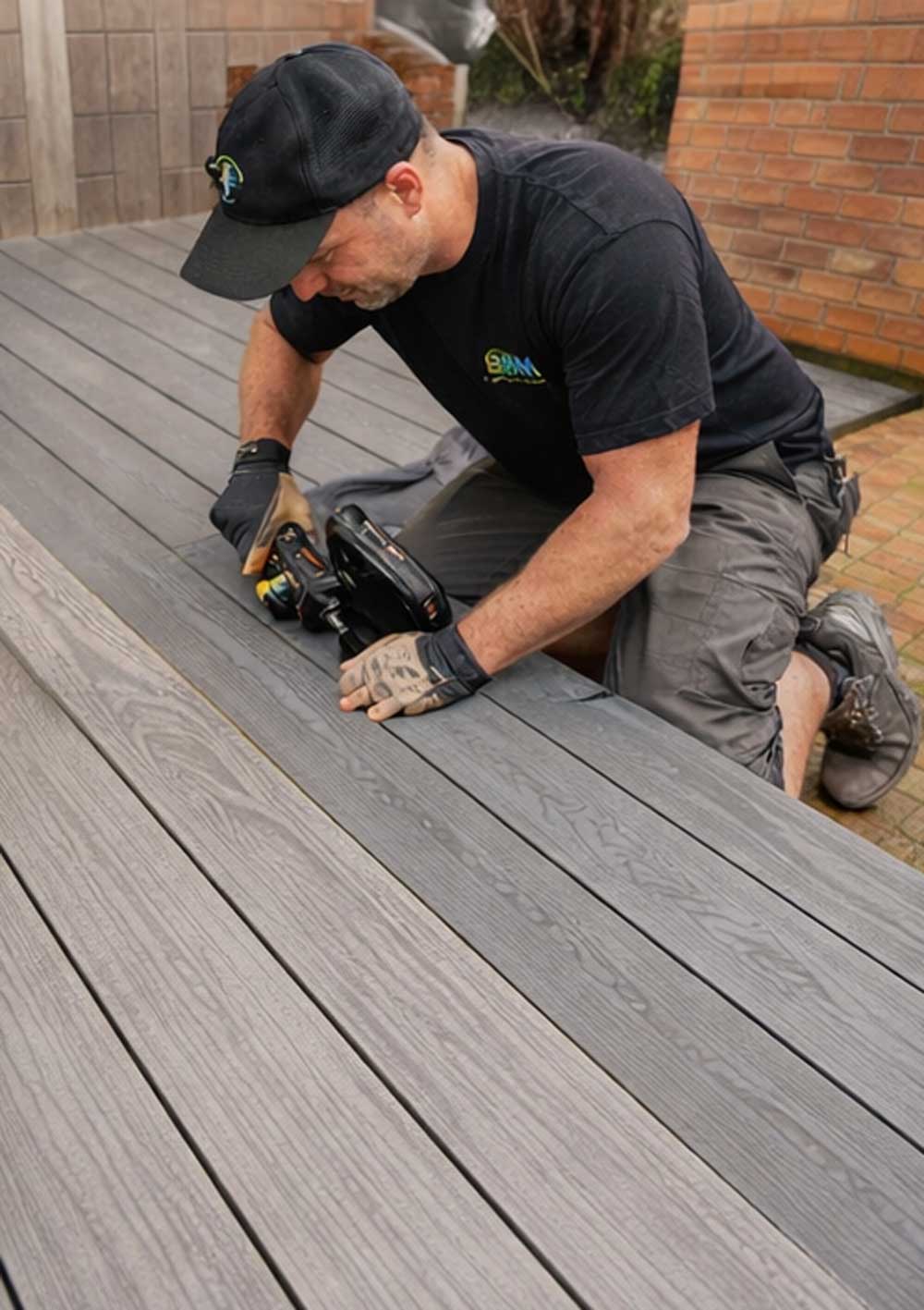
If budget is the main constraint and you don’t mind an annual maintenance routine, timber is a sound, lower-cost starting point. If you’d rather spend more once and effectively forget about upkeep for two to three decades, composite is usually the better long-term investment. Either way, the quality of the groundwork and frame underneath matters just as much as the decking material itself — that’s where a poorly installed deck of either type tends to fail first.
Frequently Asked Questions
Is composite decking worth the extra cost?
For most people planning to stay in their home for several years, yes — the higher upfront cost is usually offset by avoiding annual staining/oiling and by composite’s longer lifespan. If you’re decking a smaller area or plan to move soon, timber’s lower upfront cost may suit better.
Can timber decking be repaired rather than fully replaced?
Often, yes. Individual rotten or damaged boards can usually be replaced without rebuilding the whole deck, provided the underlying frame is still sound. A full replacement is typically only needed once the frame itself has deteriorated.
How long does composite decking actually last?
Most composite decking is designed and warrantied for 25–30 years, though this depends on the product and installation quality. Unlike timber, it isn’t prone to rot, so its lifespan is far more predictable.
Can composite decking be installed over an existing timber deck?
Sometimes, if the existing frame is structurally sound and level. In many cases it’s better value to check the frame properly first — we assess this as part of every free site survey before recommending an approach.
Thinking about composite decking for your garden? See our composite decking installations or get in touch for a free, no-obligation quote.